Michelle and Mani: the long road home – Part 2
By Michelle Schmanski, Vet Nurse
Back in New Zealand, I began the complicated process of bringing Mani home. After reading the Ministry of Primary Industries’ (MPI) import requirements, I was overwhelmed. I booked quarantine in Auckland, submitted Mani’s MPI permit application and began organising flights with a freight company in Samoa. Everything seemed on track.
Then life stopped. My father‑in‑law was tragically killed in a horse accident, and Mani’s journey was pushed aside. Weeks later, Harriet from Animal Protection Society (APS) Samoa emailed, reminding me Mani still needed an airline‑approved crate. Communication with the freight company was slow, and as Mani’s blood‑test deadline approached, Harriet stepped in to help. Then came another setback: Mani’s crate was lost in transit. My heart sank again.
Finally, good news arrived. His flight was booked for 23 February, the crate resurfaced in Samoa and Harriet found a U.S. laboratory at Cornell University that could run the specialised blood tests MPI required. On 30 January, Mani’s blood was on its way to America. I paid the first large invoice – tests, medications, shipping, and Samoan import tax – relieved that things were moving.
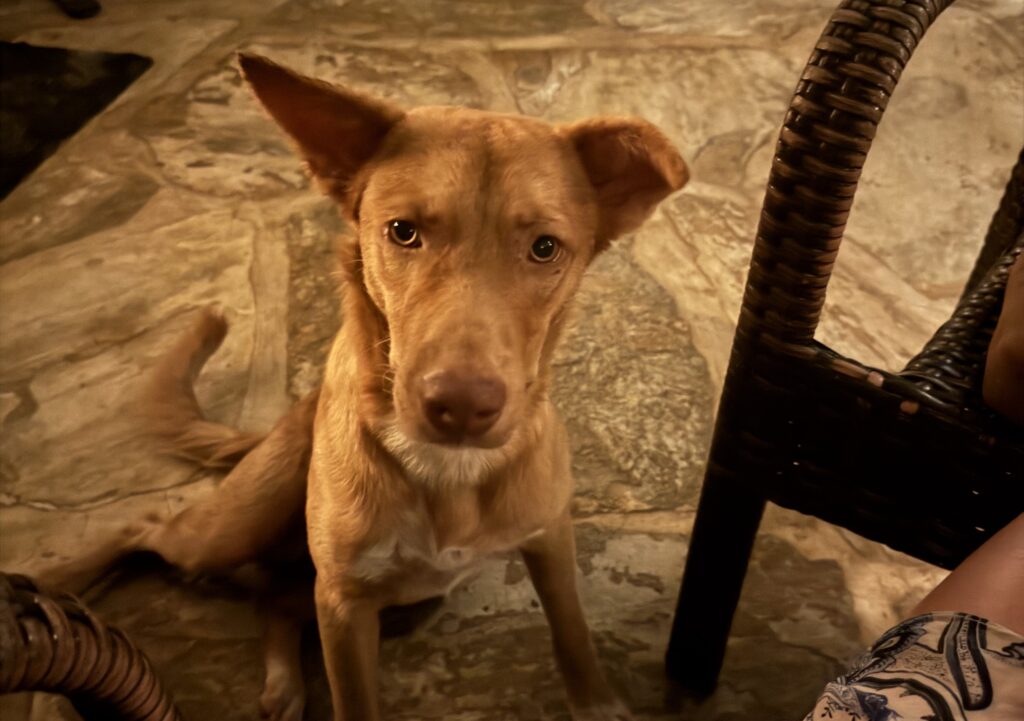
But on 10 February, everything changed. Mani passed all tests except one: heartworm. A parasite we don’t have in New Zealand – and one that could be fatal. I was devastated. After a few days gathering myself, I replied to Harriet, who offered a lifeline. Mani could begin treatment: monthly preventatives and a course of Immiticide, a series of three injections spaced 30 days apart, followed by 6–8 weeks of strict rest.
I agreed immediately. The medication had to be ordered from the U.S., causing another delay, but on 16 March Mani received his first dose. More invoices arrived – Immiticide, doxycycline, prednisolone, Simparica – and I paid them gladly. On 6 May, Harriet confirmed Mani had completed all three injections and was now on exercise restriction. He was a little depressed being confined, but Tino kept him entertained.
Before Harriet left Samoa for a holiday, we set Mani’s new travel date: 6 July 2026, depending on quarantine availability.
In June, I returned to Samoa with SPAW for another volunteer trip. I couldn’t wait to see Mani after seven long months. When Tino messaged to say Mani was at the clinic, I rushed there. He remembered me instantly. He looked incredible – healthy, heavier and fully recovered from his old injuries. I promised to visit again after the week‑long clinics.
The clinics were wonderful, and after they finished, I spent more time with Mani. Harriet returned from her holiday, drew Mani’s final blood samples, and sent them to the U.S. I thanked Harriet, Tino, and Leisha with pounamu gifts, hugged Mani tightly, and told him I’d see him in two weeks.
On 2 July, the email arrived: all Mani’s tests were clear.
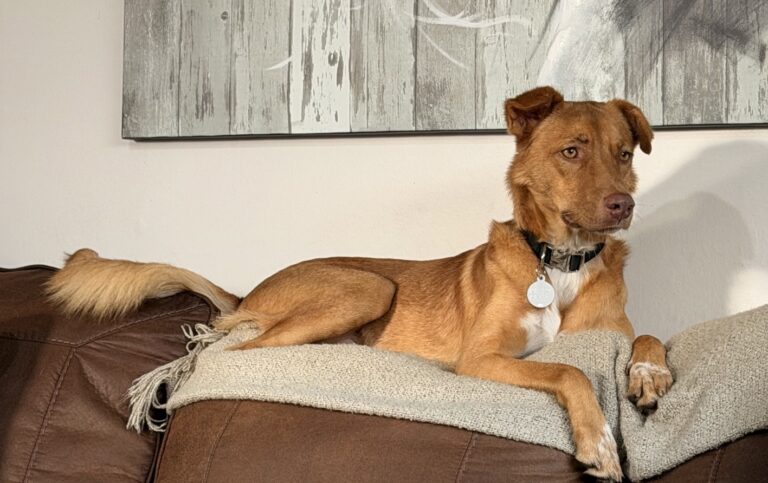
Mani will land in New Zealand on 6 July, and we cannot wait to welcome him home. I will share more of Mani’s story once he’s settled.
While we know we have done the right thing for us and Mani, the process is expensive and stressful. Mani’s medications, transportation and quarantine in New Zealand have cost us NZ $10,000. We do have a GiveaLittle page set up if anyone wishes to help and we would be deeply thankful: Mani and Michelle. – Givealittle